Skip to content
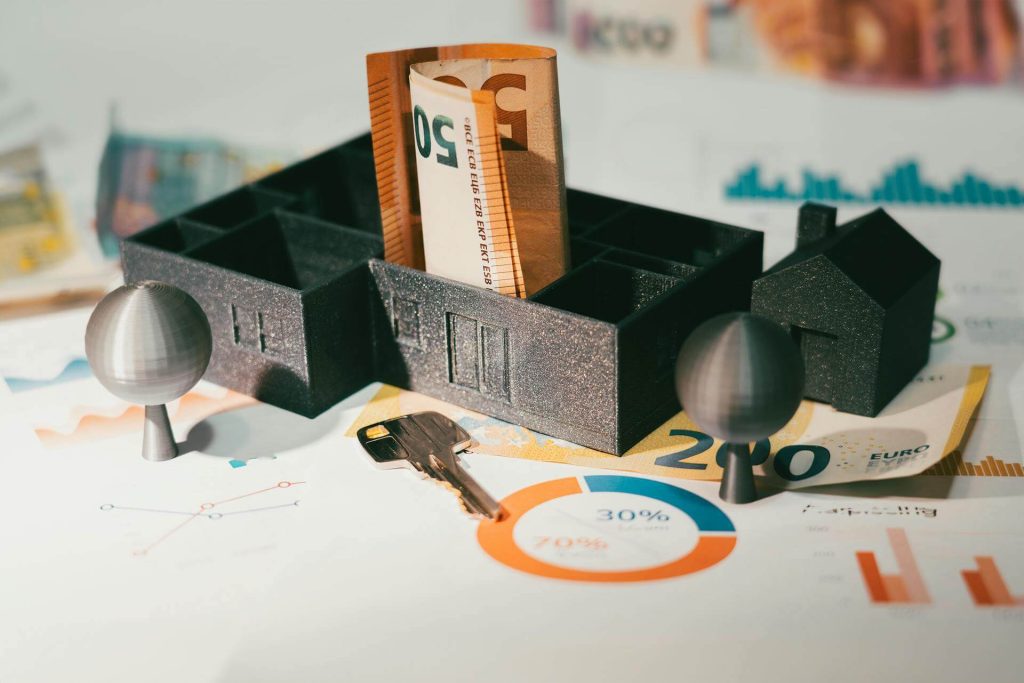
Most people have this misconception about buying a business: you must have a big bank balance. It is not necessary. In many cases, the right financing can make it possible, and an SBA loan is one of them. You don’t have to start your dream business from scratch. You can purchase an existing one and grow it further. SBA loans fund these types of acquisitions with flexible terms and reasonable down payments. But you have to be aware of every nook and cranny of an SBA loan to buy a business.
What is an SBA Loan for Business Acquisition?
An SBA business acquisition loan is a government-backed loan that helps entrepreneurs and small businesses acquire an existing business, franchise, or company assets. It is administered by the U.S. Small Business Administration, an independent agency that partners with banks, credit unions, and other lenders and guarantees a portion of the loan. Buyers can borrow up to $5 million with repayment periods of 10 to 25 years. There are several types of SBA loans, including the SBA 7(a) loan, SBA Express loans, CAPLines, International Trade Loans, 504 loans, and microloans.
Why Buyers Use SBA Loans to Purchase a Business
So far, you have understood the definition of an SBA loan. Now, it’s important to know why people prefer this loan to take over a business. The first reason is its lower upfront cost. Borrowers are asked to deposit only 10% as a down payment. This preserves cash for running the business after the deal. Second is the long repayment terms. It is usually 10 years, which spreads the cost over time and helps you manage the EMIs. Third is the competitive interest rates. Because the government supports it, the lenders feel more comfortable offering good terms.
Fourth is the seller financing. It allows the current owner to finance part of the purchase through a seller note, which can help the buyer with immediate cash requirements.
Last but not least, it is flexible. SBA loans can finance equipment, inventory, goodwill, and even additional working capital. This helps buyers to control and grow the business afterwards.
Who Qualifies for an SBA Loan?
Lenders or SBA loan brokers don’t approve SBA loan applications randomly. They confirm that the buyer is financially sound and capable of running a profitable business. The following are some key requirements that the applicant should possess to qualify:
- Business Eligibility: The business you plan to purchase should be in the soil of the United States of America. It should be active, profitable, and meet all the standards of the SBA small business size.
- Owner Investment or Down Payment: Buyers are expected to get involved in the transaction with a 10% down payment of the total acquisition cost.
- Credit and Financial Health: Lenders review your personal credit score, source of income, and financial history to be 100% sure that you can responsibly manage and repay the loan.
- Experience and Management Ability: The individual should have relevant industry experience and skills for the business on sale.
- Business Performance and Valuation: The business must have strong cash flow and profits in reality. It also has to pass through an independent valuation to ensure that the price and financials are fair and back the loan.
Step-by-Step Process to Buy a Business With an SBA Loan
You might think that there will be a complicated process to apply for an SBA loan. However, it’s not. It is very simple, and once you understand the process, it is a piece of cake. Below is the answer to this frequently asked question from buyers: How to get a loan to buy a business?
Step 1: Determine Your Budget and Financing Capacity
Review your credit score, savings, and financial health to estimate how much you can invest.
Step 2: Find a Business for Sale
Search for businesses that match your skills and budget. Review important financial records like three years of tax returns and profit-and-loss statements.
Step 3: Conduct Initial Business Evaluation
Evaluate the company’s revenue, expenses, and growth potential to see if it is financially viable.
Step 4: Sign a Letter of Intent (LOI)
Once both sides agree on basic terms, a Letter of Intent (LOI) outlines the proposed purchase price and deal structure.
Step 5: Perform Business Due Diligence
This stage involves verifying the company’s financial, operational, and legal details to ensure the deal is sound.
Step 6: Prepare SBA Loan Application Documents
Submit required documents such as the LOI, business tax returns, personal financial statements, resume, and acquisition business plan.
Step 7: SBA Loan Underwriting and Approval
The lender reviews the full application and may request a third-party business valuation.
Step 8: Business Valuation and Deal Structuring
The valuation confirms whether the purchase price supports the loan amount.
Step 9: Loan Closing and Business Acquisition Financing
After final approval, the loan documents are signed, the down payment is made, and ownership officially transfers to the buyer.
To Wrap Up
By the end of 2025, over $44 billion in funds and 84,000 SBA loans had been approved in the United States. From this number, you can imagine how many people have achieved their dream of running a business of their own. The secret of getting an SBA loan is to hire a business acquisition expert, and the top choice is Yaw Capital. We provide the right structure, lender, and terms to help you close your acquisition deal. Till now, we have successfully funded businesses across 75+ industries, over $2.8 billion in transactions, and have connections with 3,000+ business owners. Contact our experts to get prequalified!
FAQs
1. What is the new rule for SBA loans?
Ans: From March 1, 2026, the SBA requires 100% U.S. citizen ownership to qualify for loans. Even a 1% foreign stake disqualifies the business. This new rule applies to major programs like 7(a), 504, and microloans, and green card holders are no longer eligible.
2. What credit score is needed for SBA loan?
Ans: Most SBA loans typically require a credit score of 650 or higher, though some programs may accept scores around 620–630. For example, SBA 7(a) loans usually need 650+, while 504 loans may require 680+ for strong approval chances.
3. How much is the SBA guarantee fee?
Ans: The SBA guarantee fee is 3.5% on the guaranteed loan amount up to $1 million and 3.75% on the portion above $1 million.
4. Can I use SBA to buy a franchise?
Ans: Yes, you can absolutely use an SBA loan to buy a franchise. Many buyers prefer SBA franchise financing because it offers lower down payments, longer repayment terms, and flexible use of funds.
5. How long do you have to pay back an SBA loan?
Ans: SBA loan repayment terms depend on how you use the funds. For an SBA 7(a) loan, you typically get up to 10 years for working capital or inventory and up to 25 years for real estate.